
I recently finished listening to a podcast series called Sold a Story by Emily Hanford, senior producer and correspondent for American Public Media. Her six-part series with four updates, each about 30 minutes, explores how American schools have clung to an outmoded method of teaching reading, proven wrong by cognitive scientists decades ago.
I was one of the lucky ones
I never had difficulty catching on to reading (and later writing). I entered first grade in 1961 in New York state, where reading was taught alongside phonics and spelling. We were taught to sound out a word–to decode it. Phonics and spelling assignments coordinated with our reading text, so that we learned pronunciation, meaning and spelling of the words we would encounter concurrently in our reading text.
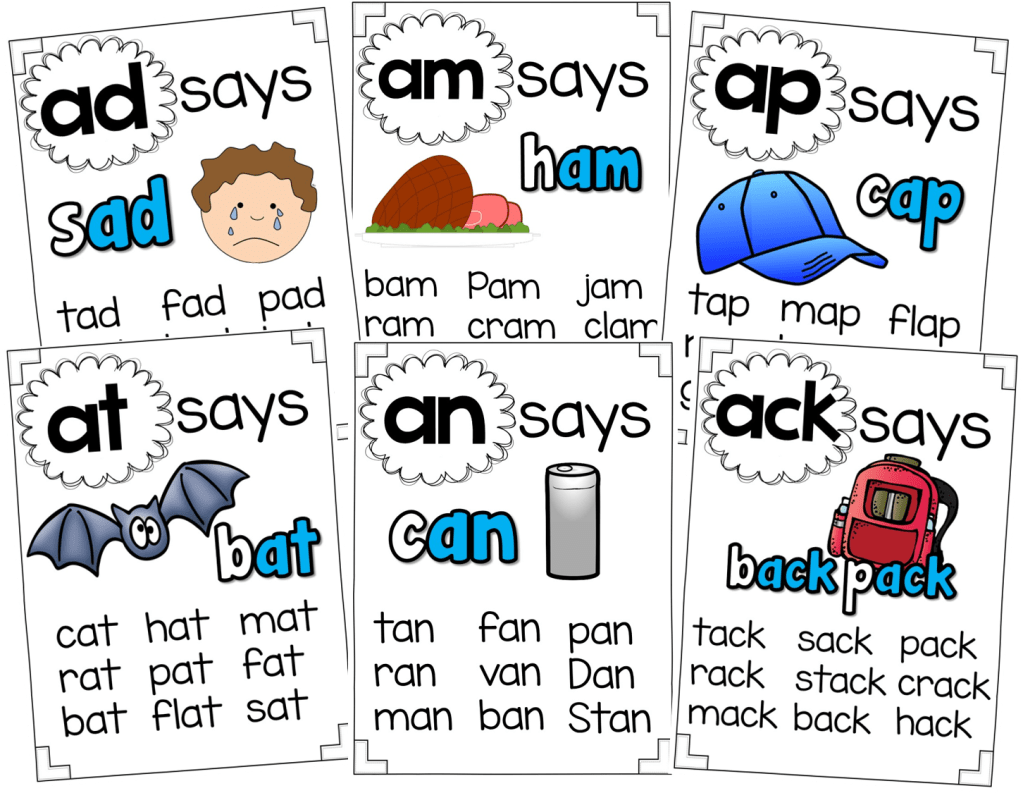
My first-grade teacher, Mrs. Dawson, divided us into three reading groups based on our skill levels–called guided reading groups. There were some differences in each group’s instructional materials, and Mrs. Dawson spent time each day with each group to monitor progress.
We were also taken to the school library weekly to select books the librarian had arranged by grade level for take-home, enjoyment reading. It wasn’t long before I had permission to select books from the higher grade levels. I wanted longer stories with more complex vocabularies and story lines.
Like I said, I was one of the lucky ones. And that’s what Mrs. Dawson told my mom when mom complimented her on her teaching skills. “Anyone could teach Susan,” she said. “The really good teachers are able to teach the ones who struggle.” I remember a small group in my classroom, even then, who struggled.
So when did reading instruction change?
Sometime after I was in grade school, the method I learned by changed in many states, including New York, and teachers actually discouraged children from sounding out words.
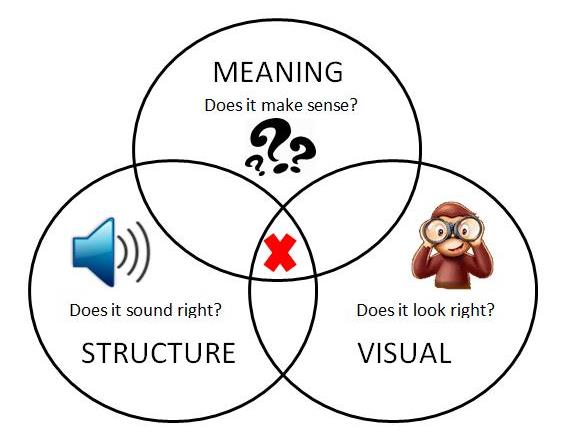
Phonics and spelling fell out of favor. Instead school corporations bought into a system that used “cueing” methodology, based on the now disproven theory that reading is a series of strategic guesses, informed by contextual clues.
This idea was pioneered by a New Zealand graduate student observing students learning to read and later picked up on by curriculum writers in the United States. But what these people didn’t realize then was that the cueing theories about how children learn to read were based on observations of techniques struggling readers used (often to no avail), not thriving ones.
A small percentage of kids will catch on whatever method is used, and I was probably in that group. But most of the techniques I remember being used to teach me involved coordination between text, phonics, spelling and sounding out words–what’s known now as the “science of reading.”
Enter ‘Sold a Story’
I won’t go into all the reasons why cueing failed–that’s what the podcasts are about–and it’s well worth setting aside the time to listen as Emily Hanford investigates the influential authors who promoted this idea and the company that made millions selling their work. It’s an exposé of how educators came to believe in something that wasn’t true and are now reckoning with the consequences—children harmed, money wasted, an education system upended.
The podcasts detail how this loss came to light largely because of the pandemic and students trying to do lessons remotely, via Zoom. Parents started to notice their children really couldn’t read because they had ringside seats to watch them struggle.
The series also provides details about the science of reading, pioneered by neurologists studying how the brain is stimulated by language and reading and how that has influenced the reading landscape. Many states are moving away from cueing–some even banning it–and returning to the coordinated decoding approach that involves phonics and sounding out words.
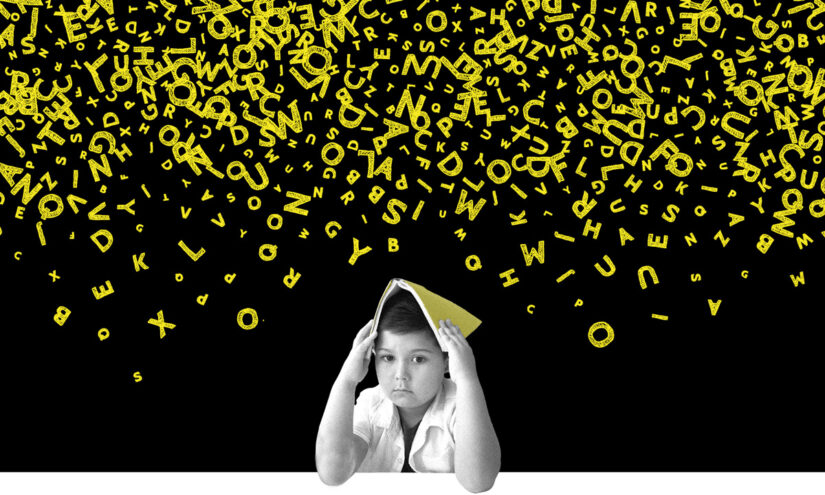
But that still leaves a generation of people who have been cheated. Only 34 percent of fourth-graders and 37 percent of eight-graders are proficient in reading. If that wasn’t bad enough, here are some other depressing statistics:
- 14 percent of adults can’t read at all.
- 21 percent of adults read below a fifth-grade level.
- 19 percent of high school graduates can’t read.
- 40 percent of students can’t read at a basic level.
- 85 percent of juveniles in the US court system are functionally illiterate.
Does someone you know struggle with reading?
If you’re reading this blog post, you’re probably a good reader already. But maybe your kids are struggling or you know someone else who does. It may affect a person’s ability to cope throughout their schooling (particularly as the reading load grows heavier in college) and their career. It will definitely limit their choices in life, and its estimated cost to society is about $2.2 trillion a year.
But it’s never too late to go back and learn to read the right way. In fact, as an adult learner, I found I was even more of a quick-study than when I was young. I was more motivated, paid attention better, managed my time better, and made quicker associations because of experience.
The Sold a Story website is there to help. It includes transcripts of the entire series, as well as recordings, so you can read along as you listen. It also includes related news articles and updates, as well as a discussion guide you can use if listening to the podcast with others. There’s also a list of books about the science of reading if you want to explore more. And if you want to dive even deeper, you can subscribe to Hanford’s Extra Credit email newsletter to stay up to date on new episodes.
Don’t forget to check out ‘Planet Word’ too!
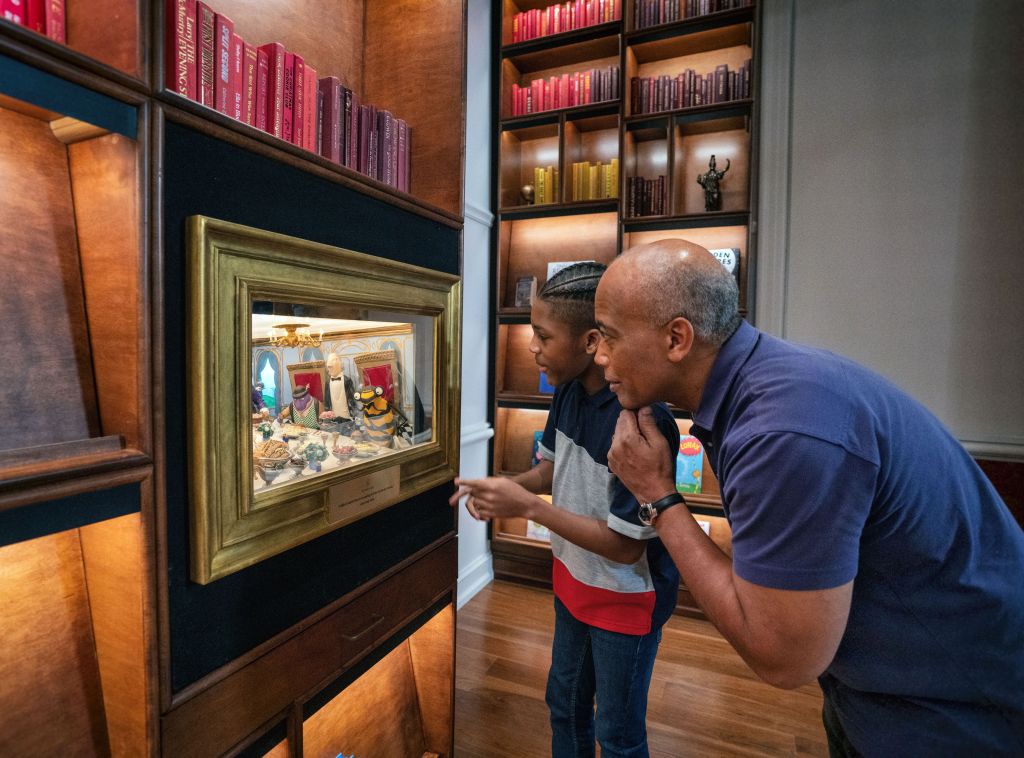
Hanford is the inaugural journalist-in-residence at Planet Word, a museum of language arts in Washington, DC. You’ll find links there to more interviews she’s done and programs she’s arranged. You can buy tickets to future live events or wait until videos are posted online and watch for free at your leisure, from the location of your choice.
I haven’t visited Planet Word–YET–but it’s at the top of the list of my must-sees next time I’m in DC. That’s all I’m going to tell you about it for now but watch for a followup post later this month.
You might also enjoy these articles in The Atlantic…
- The Ignored Science that Could Help Close the Achievement Gap, by Hayley Glatter
- The Elite College Students Who Can’t Read Books, by Rose Horowitch
- The Schools That Are No Longer Teaching Kids to Read Books, by Xochitl Gonzalez
- How Gen Z Came to See Books as a Waste of Time, by Rose Horowitch
- How One Woman Became the Scapegoat for America’s Reading Crisis, by Helen Lewis




 & {sometimes} WHY
Leave a comment